ConnectedLearning Home
What if the network understood human intent, not just connected devices?


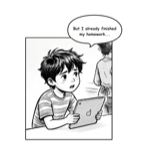

Today's parental controlsteach children what they can't do.
What if they taughtchildren what they can earn?
Parents become coaches, not enforcers.
Traditional controls place parents in the role of gatekeeper: set a limit, deny a request, negotiate the fallout. Connected Learning Home reframes that relationship around goals, choice, and earned independence.
01 · Control
Limit
Pause devices, block apps, and decide when access ends.02 · Coach
Guide
Set goals, connect effort to rewards, and celebrate progress.03 · Trust
Grow
Give children room to make decisions within thoughtful boundaries.
Tap an intention. Let the home respond.
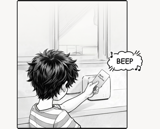
LearnLink uses tactile skill cards to tell the network what a person is trying to do. The card is only the trigger. The real product is the coordinated response across the home.
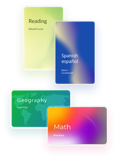
- 1
Choose a goal
A child taps Math. An adult taps Spanish. The action is clear and intentional.
- 2
Create the conditions
The network prioritizes the learning device and quiets selected distractions.
- 3
Reward progress
Completed activities add time to a personal wallet instead of ending in another restriction.
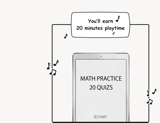
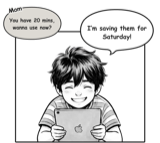
Earn, save, and choose.
The Time Wallet turns screen time into a resource children can manage. They learn earning, saving, spending, trade-offs, and delayed gratification without using real money.
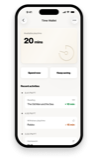
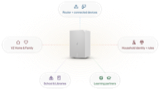
One intent. A coordinated home.
Verizon's advantage is not the card reader. It is the ability to coordinate identity, connectivity, devices, household rules, and partner services through the network.
Why Verizon?
Differentiate Home Internet
Move the conversation beyond speed and price toward a network that actively supports better household habits.
Expand Verizon Family
Evolve parental controls from monitoring and restriction into responsibility-building, coaching, and family agreements.
Create new partnerships
Connect trusted content providers, schools, libraries, and community programs through a shared platform.
Build a reusable platform
Learning becomes the first use case for a broader context-aware network strategy, not a one-off feature.
A network should do more than connect the things in our homes.
It should help us create the kind of home we want to live in.